
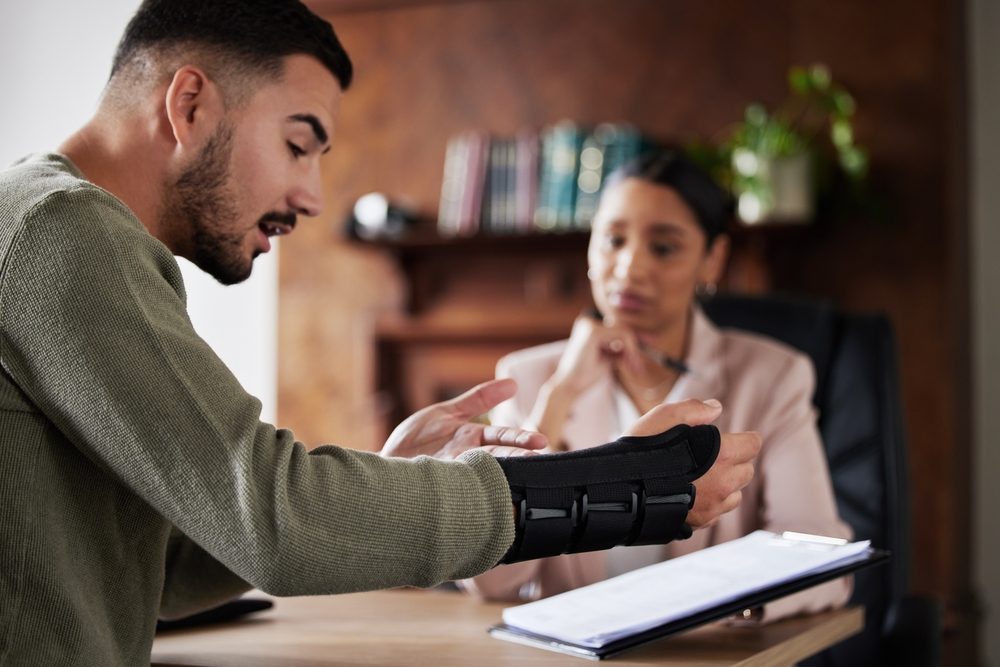
What Qualifies as a Catastrophic Injury?
Quick answer: A catastrophic injury is a severe, life-altering injury such as a spinal cord injury, traumatic brain injury, amputation, severe burn, or multiple fractures that causes long-term or permanent disability and significantly limits a person’s mobility, cognitive function, or ability to work. If you or a loved one has suffered one of these injuries due to someone else’s negligence, a Glendale catastrophic injury lawyer can help you pursue full compensation for medical bills, lost wages, and pain and suffering. Babaians Law Firm offers free consultations and works on contingency. Call (818) 334-2981, available 24/7.
Note: the original page title for this article contained a formatting error (“What Qualifies as a Glendale Catastrophic Injury Lawyers?”). It’s been corrected here to “What Qualifies as a Catastrophic Injury?” to match the article’s actual content and heading.
Catastrophic injuries are characterized as severe, life-altering injuries that impact a person’s life or ability to work. When you consider what qualifies as a catastrophic injury, it’s essential to understand the profound impact these injuries can have on a person’s life.
These injuries not only disrupt daily living but can also lead to significant emotional and financial challenges. So, what specific criteria are used to classify an injury as catastrophic, and how does this classification shape the recovery process? Find out here and call our Glendale catastrophic injury lawyers now. You can also review the full scope of what we handle statewide on our Catastrophic Injury practice page.
Definition of Catastrophic Injury
When you hear the term “catastrophic injury,” it often refers to severe injuries that result in long-term or permanent disability.
These injuries can drastically alter your life, affecting mobility, cognitive function, or even your ability to perform daily tasks. They often require extensive medical treatment, rehabilitation, and long-term care, which can be both physically and emotionally taxing.
It’s important to recognize that catastrophic injuries can stem from various incidents, including accidents, falls, or medical malpractice. You might find yourself facing significant financial burdens due to medical bills and lost wages.
Common Types of Catastrophic Injuries
Catastrophic injuries come in various forms, each with its own challenges and implications. You might encounter spinal cord injuries, which can lead to paralysis and significantly affect mobility.
Traumatic brain injuries (TBIs) can disrupt cognitive functions and daily life. Amputations are another common type, drastically changing one’s physical capabilities and lifestyle.
Severe burns can result in long-term physical and emotional pain, requiring extensive treatment. Lastly, multiple fractures often lead to prolonged recovery times and complications.
Physical and Emotional Impact
Experiencing a catastrophic injury can profoundly affect both your physical and emotional well-being.
Physical Harm
Physically, you may face chronic pain, limited mobility, or even permanent disability, altering your daily life and independence. These challenges can lead to frustration and helplessness as you navigate your new reality.
Emotional Damage
Emotionally, it’s common to experience anxiety, depression, or post-traumatic stress disorder (PTSD). The trauma of the injury can create feelings of isolation, as you might struggle to connect with others who don’t understand your experience.
You may also wrestle with a sense of loss, mourning the life you once had. Recognizing these impacts is crucial, as seeking support whether from loved ones, a support group, or a mental health professional can help you cope and begin to heal both physically and emotionally.
Long-Term Care and Rehabilitation
Navigating the journey of long-term care and rehabilitation after a catastrophic injury can be daunting yet essential for regaining independence and improving your quality of life.
You’ll likely need a team of healthcare professionals, including physical therapists, occupational therapists, and rehabilitation nurses, to support your recovery. Each session focuses on specific goals, such as improving mobility, enhancing daily living skills, or managing pain.
Support groups that connect you with others facing similar challenges may be useful. Remember, long-term care isn’t just about treatment; it’s about fostering resilience and adapting to a new way of life.
Legal Implications and Compensation
Understanding the legal implications and potential for compensation after a catastrophic injury is vital for your recovery process. You may be entitled to compensation for medical expenses, lost wages, and pain and suffering.
It’s crucial to document everything related to your injury, including medical records and accident reports. Consulting with a Glendale personal injury lawyer can help you navigate the complexities of your case and maximize your compensation.
We can assess liability, gather evidence, and negotiate with insurance companies on your behalf. Remember, filing claims has time limits, so acting quickly is essential.
If your loved one’s catastrophic injury tragically resulted in death, our compassionate wrongful death attorneys can help your family understand your legal options.
What Are the Financial Costs of Catastrophic Injuries?
Catastrophic injuries can lead to overwhelming financial costs. You’ll face medical bills, rehabilitation expenses, and potential income loss.
It’s crucial to consider these factors when planning for your future and seeking appropriate insurance coverage. To recover compensation, it’s important to consult with an experienced legal team, like the one at Babaians Law Firm.
How Can I Tell if an Injury Is Catastrophic?
To determine if how a lawyer helps with a catastrophic injury claim, assess its impact on your daily life and ability to function. If the injury severely limits your mobility, independence, or quality of life, it’s likely catastrophic, and you should contact our personal injury lawyers.
Additionally, not all catastrophic injuries are permanent. Some people recover over time, while others may face lifelong challenges.
It’s essential to assess each situation individually, considering factors like the nature of the injury and the person’s healing process. Learn more at our blog.
Frequently Asked Questions — Catastrophic Injury Definition
Is a catastrophic injury a specific legal term in California?
There is no single statutory definition of “catastrophic injury” in California law. It’s a term used broadly across the legal and medical fields to describe injuries that are severe and permanently life-altering, such as paralysis, amputation, or traumatic brain injury. Courts and insurers generally evaluate the severity, permanence, and life impact of an injury on a case-by-case basis rather than applying a fixed legal checklist.
Does a catastrophic injury automatically mean a larger settlement?
Not automatically, but catastrophic injuries typically do result in higher compensation because the damages are more extensive — including lifelong medical care, permanent loss of earning capacity, and significant pain and suffering. The actual value of any claim depends on the specific facts, the strength of the evidence proving negligence, and the available insurance coverage.
How long do I have to file a catastrophic injury claim in California?
In California, the statute of limitations for most catastrophic injury claims is generally two years from the date of the injury. If a government entity is involved, the deadline may be significantly shorter, sometimes as little as six months. Because catastrophic injury cases require extensive medical documentation to establish the full scope of long-term damages, it’s important to speak with an attorney as soon as possible.
Can an injury become "catastrophic" over time even if it didn't seem severe at first?
Yes. Some injuries, particularly traumatic brain injuries and certain spinal injuries, may not show their full severity immediately. Symptoms like cognitive difficulty, chronic pain, or mobility loss can develop or worsen over weeks or months. This is one reason ongoing medical documentation is so important — it allows your case to reflect the injury’s true long-term impact rather than just its initial appearance.