
Los Angeles Bus Accident Lawyer: What Victims Need to Know
Los Angeles operates one of the largest public transit systems in the United States, and bus accidents happen far more often than most people realize.


 Bianca Babaians
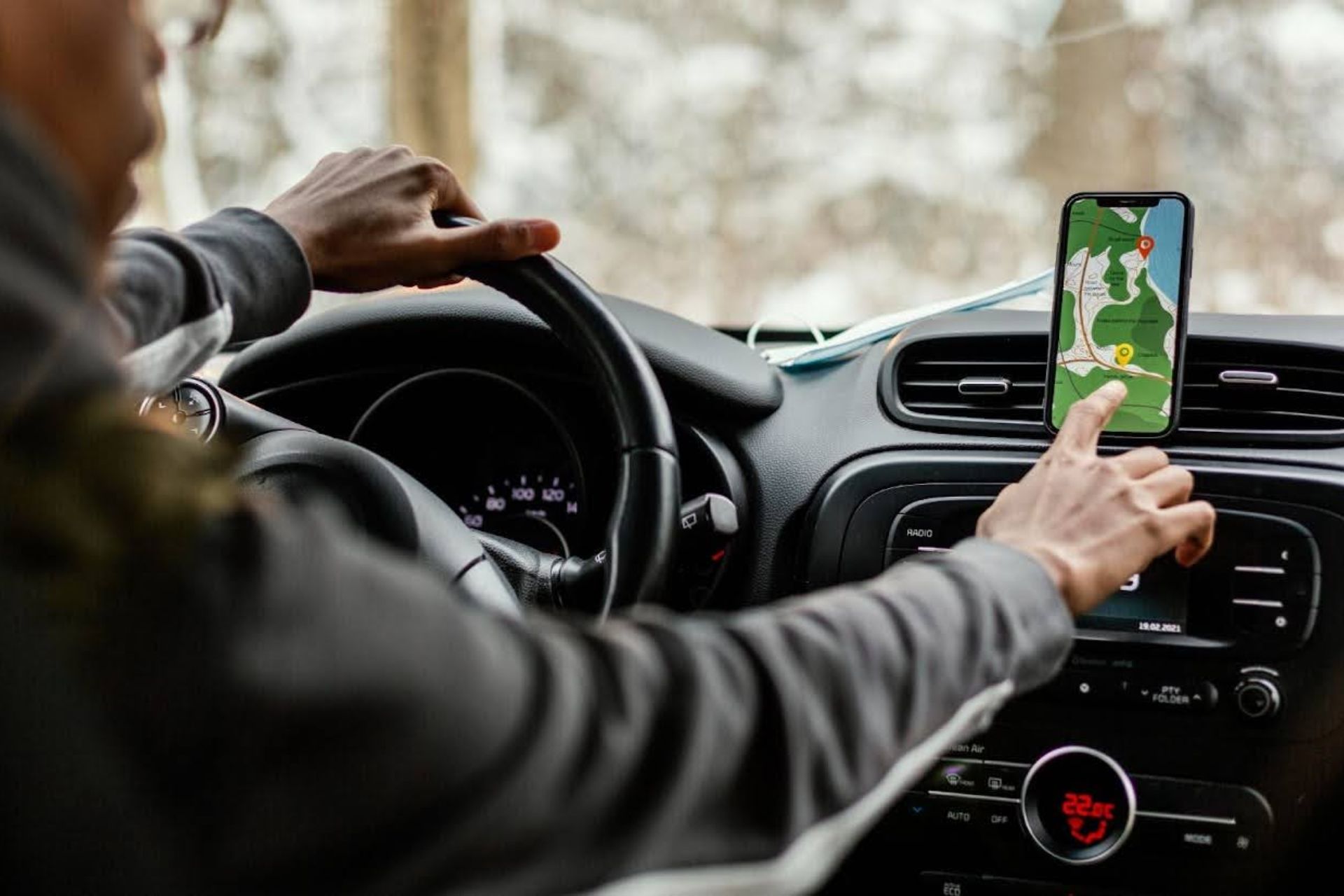
A proposed California initiative filed January 2, 2026, could fundamentally change how rideshare accident claims work. If passed, the measure would classify Uber, Lyft, and other transportation network companies as “common carriers”—the same legal category as airlines, railroads, and taxi companies.
This change would make these companies directly responsible for passenger injuries caused by their drivers.
For anyone involved in a rideshare accident, understanding this potential legal shift is essential. It affects who can be held liable, what evidence matters, and how compensation is pursued.
Working with an experienced rideshare accident lawyer ensures you understand your rights under both current and proposed law.
At Babaians Law Firm, we help passengers and drivers navigate rideshare accident claims with clarity and care.
Under current California law, rideshare companies have successfully argued that their drivers are independent contractors. This classification has limited the companies’ liability when accidents occur. The proposed initiative would overturn that approach by:
If enacted, this would align rideshare companies with other transportation providers that have long been held to strict liability standards.
Common carriers are legally required to exercise the “utmost care” for passenger safety. This is a much higher standard than what applies to ordinary drivers. For rideshare passengers, this means:
This change would remove many of the hurdles that currently complicate rideshare accident claims.
A knowledgeable rideshare accident lawyer can help you understand how these changes might affect your specific situation.
| Current Law | Proposed Change |
| Rideshare companies argue drivers are independent contractors | Companies classified as common carriers |
| Liability often limited to driver’s personal negligence | Companies liable for driver negligence, recklessness, or willful misconduct |
| Insurance layers apply ($1M during rides) but liability battles continue | Companies directly responsible for passenger injuries |
| Terms of service may attempt to limit liability | Any waiver of these rights would be void |
The proposed initiative has just begun its journey. Key dates include:
If passed by voters, the law would take effect immediately, transforming rideshare accident claims in California.
For accidents that have already occurred, existing law applies. However, if you were recently involved in a rideshare accident, understanding this proposed change is still valuable:
Whether you are a passenger or driver, taking the proper steps after a rideshare accident protects your rights:
Rideshare accident claims involve unique legal and insurance questions. As your rideshare accident lawyer, we have helped clients navigate these complexities and secure significant results, including $490,000 and $310,000 settlements in rideshare accident cases.
Our team understands the current law, tracks legislative developments like this initiative, and helps clients gather the evidence needed to support strong claims. Whether your accident happened yesterday or years ago, we provide clear guidance every step of the way.
If you have been injured in a rideshare accident in California, understanding your legal options is essential. The law may be evolving, but your right to fair compensation remains.
Babaians Law Firm assists passengers and drivers in pursuing claims for medical expenses, lost wages, and pain and suffering.
Call (818) 334-2981 or visit our website for a free case evaluation. Our team is available 24/7 to answer questions and help you take the proper steps to protect your claim.
The initiative targets “transportation network companies” that provide rideshare services. Its application to food delivery through apps like Uber Eats or DoorDash would depend on final language and legal interpretation.
A rideshare accident lawyer can evaluate delivery accident claims, which involve different considerations.
Yes. Current California law allows passengers to pursue claims against at-fault drivers and access rideshare company insurance coverage during certain periods. An experienced attorney can explain what coverage applies to your specific situation.
Trip details from the app (screenshots showing driver name, route, and trip status), police reports, photographs of the scene and vehicles, witness information, and medical records are all critical. Preserving this evidence promptly strengthens your claim.
Los Angeles operates one of the largest public transit systems in the United States, and bus accidents happen far more often than most people realize.

This guide covers your rights under California law, the most dangerous pedestrian corridors in Los Angeles, what compensation you can pursue, and exactly how a

Getting this wrong can mean pursuing compensation from the wrong party, settling for far less than your claim is worth, or missing a liable party

If you are on the other side of that equation without legal representation, you are at a significant disadvantage from the very start. Knowing how
We take on fewer cases to give every client the focus they deserve. Unlike high-volume firms where cases get lost in the shuffle, we prioritize quality over quantity, delivering the attention and results your case deserves. Experience the difference with our dedicated team.
Great female led personal injury firm with good results and settlements. I highly recommend this law firm for personal injury related matters in Los Angeles and California in general.
Rho G