

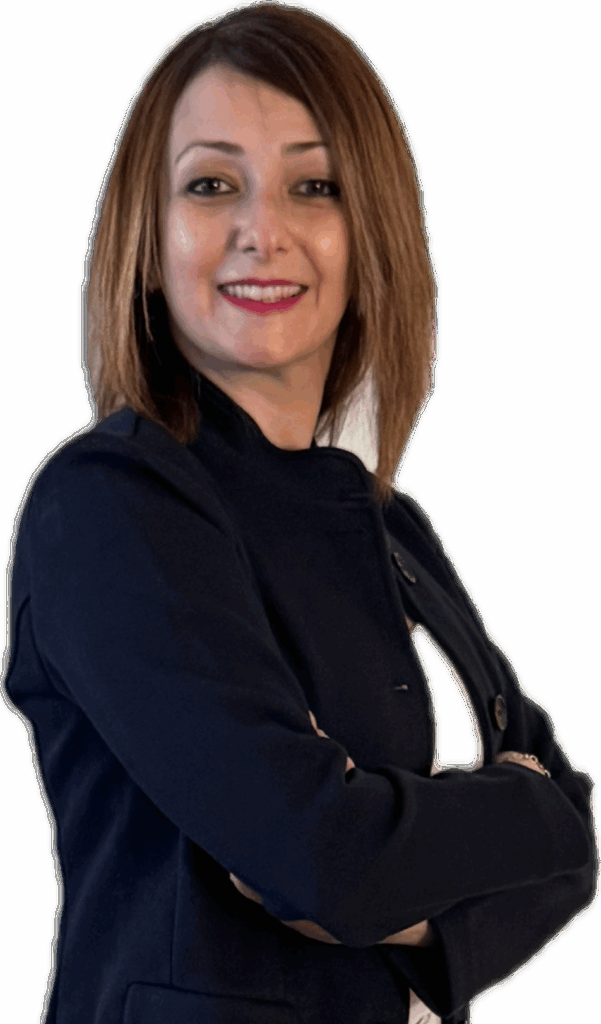
 Aspet Bianslaw

Proving distracted driving in Sacramento requires subpoenaed phone records, carrier data, and vehicle telematics, evidence that disappears fast. California Vehicle Code Section 23123 makes handheld phone use while driving a vehicle a code violation, establishing negligence per se. A Sacramento distracted driving accident lawyer at Babaians Law Firm moves immediately to preserve phone records and build the evidence case before it becomes unavailable.
Distracted driving is one of the leading causes of preventable collisions in California, and Sacramento is no exception. The California Office of Traffic Safety consistently identifies Sacramento County as having above-average rates of distraction-related crashes. The problem with distracted driving claims is proving them.
The driver will rarely admit it. The crash itself often looks like any other collision. And the evidence that would prove the driver was on their phone has a very short shelf life.
A Sacramento distracted driving accident lawyer at Babaians Law Firm knows exactly what evidence exists, how to obtain it, and when it disappears.
For an overview of our car accident practice, visit our Car Accident Practice Page.
California Vehicle Code Section 23123 prohibits drivers from using a handheld cell phone while driving. A violation is an infraction and constitutes negligence per se in a civil claim.
California Vehicle Code Section 23123.5 specifically prohibits writing, sending, or reading text-based communications while driving. This broader provision covers texting, messaging apps, email, and social media.
California Vehicle Code Section 23124 applies additional restrictions to drivers under 18 years old, prohibiting all mobile device use, including hands-free.
When a driver violates any of these sections and causes a crash, the Sacramento distracted driving accident lawyer uses the violation to establish negligence per se, which shifts the burden of fault and strengthens the liability case significantly.
Cell Phone Records
Carrier records obtained through subpoena show every call, text, data connection, and app activity, timestamped to the second. If the driver was actively texting or browsing at the moment of impact, the carrier record proves it. Carriers typically retain these records for 18 to 24 months, but subpoena requests should be sent immediately to preserve the right to production.
A distracted driving accident lawyer sends preservation demands to the carrier within the first week of retention.
Vehicle Telematics and Data
Most modern vehicles record speed, braking, steering input, and infotainment system activity. Bluetooth pairing logs, GPS navigation records, and in-vehicle app usage can place a phone in active use at the time of the crash.
Dashcam and Surveillance Footage
Footage showing the driver’s head position, phone in hand, or eyes down at the moment of impact is the most direct evidence available. Traffic cameras, business surveillance, and other drivers’ dashcams capture this. The footage overwrite window is 24 to 72 hours.
Witness Testimony
Drivers or passengers in nearby vehicles sometimes observe the at-fault driver looking at their phone before the crash. These witnesses must be identified, and statements taken immediately.
Social Media Activity
When combined with carrier records, activity logs from Instagram, Snapchat, or other platforms can place the driver on a specific app at the exact time of the collision.
Most distracted drivers do not admit to phone use at the crash scene. Police reports often list “inattention” or “following too closely” rather than distracted driving because officers cannot access carrier records at the roadside. Without a formal legal investigation, phone use goes undocumented, and the case gets treated as a routine rear-end collision.
This is why retaining a Sacramento distracted driving accident lawyer early changes outcomes. We request the carrier records before the other side has time to prepare, and we use those records to reframe the case from “inattention” to distracted driving with a documented violation.
For more on the rear-end collision dynamic, see Rear-End Collision Fault Rules in California Accidents.
When phone records confirm the driver was actively texting at the time of the crash, the case value changes significantly:
Distracted drivers typically fail to brake before impact, meaning crashes occur at full speed. Common injuries include:
Even if the victim was partly at fault (not looking before crossing or exceeding the speed limit), California’s pure comparative fault rule under Civil Code Section 1714 allows recovery.
The award is reduced by the victim’s percentage of fault but not eliminated. Insurers try to inflate victim fault percentages to reduce payouts. Phone records are a powerful counter to that argument when they show the driver was actively distracted.
California Code of Civil Procedure Section 335.1 sets a two-year deadline for personal injury claims. Government vehicles require a six-month tort claim. See California Personal Injury Statute of Limitations Guide.
Carrier records are subject to retention policies that vary by provider. Some carriers retain detailed usage logs for 18 months, others for as little as 90 days. Dashcam and surveillance footage cycles out in 24 to 72 hours. Witnesses move on. Vehicle telematics data is overwritten if the car is repaired or returned to service.
A distracted driving accident lawyer must send preservation demands and initiate the carrier records subpoena process within the first weeks of being retained. Once those records are gone, the proof of distraction may be gone with them.
Insurance companies know that proving phone use is difficult without a formal legal investigation. Their adjusters handle the case as routine until phone records surface. You deserve legal representation that investigates from day one.
Our Sacramento personal injury lawyer at Babaians Law Firm will subpoena carrier records, preserve surveillance footage, and build the distracted driving case that changes the outcome of your claim. No upfront cost. No fee unless we win. Contact us today to schedule your free consultation.
A Sacramento distracted driving accident lawyer subpoenas cellular carrier records showing calls, texts, and data activity timestamped to the second. Combined with dashcam or surveillance footage showing the driver’s head position, this creates a strong factual case.
A violation of California Vehicle Code Section 23123 or 23123.5 establishes negligence per se, meaning the standard of care was violated as a matter of law. The victim still needs to prove causation and damages, but the liability foundation is significantly stronger.
Possibly. Where phone records show the driver was consciously disregarding others’ safety under California Civil Code Section 3294, punitive damages may be available. A Sacramento distracted driving accident lawyer evaluates this in each case.
Hands-free use is generally permitted under California law. However, the carrier records will show whether the phone was in active use and what type of activity was occurring at the time of the crash.
No. We work on contingency. You pay nothing unless we obtain a recovery.


We take on fewer cases to give every client the focus they deserve. Unlike high-volume firms where cases get lost in the shuffle, we prioritize quality over quantity, delivering the attention and results your case deserves. Experience the difference with our dedicated team.
Great female led personal injury firm with good results and settlements. I highly recommend this law firm for personal injury related matters in Los Angeles and California in general.
Rho G